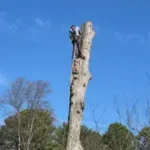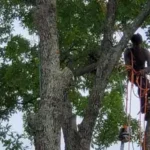
If you are looking for professional tree pruning in Northern Virginia or the Northern Neck of Virginia, the goal should be long-term structure and stability. Not quick cutting.
Premier Tree & Landscaping provides corrective and structural tree pruning throughout Northern Virginia and the Northern Neck. We are based in Castleton and serve properties across the region. Our work is selective, controlled, and focused on protecting tree health while reducing future risk.
Call for professional tree pruning guidance: (540) 264-9008 | Schedule a Pruning Evaluation
What Tree Pruning Actually Means
Tree pruning is often confused with trimming, but the two serve different purposes.
Tree trimming is usually done for clearance and appearance. It removes small branches that are getting too close to roofs, power lines, sidewalks, or driveways. The goal is mostly to keep the tree tidy and prevent branches from interfering with structures or visibility.
Tree pruning, on the other hand, is more strategic and health-focused. It involves carefully selecting which branches to remove in order to improve the tree’s structure, safety, and long-term growth.
Proper pruning can:
- Correct weak branch attachments that may split during storms
- Improve canopy balance so the tree distributes weight more evenly
- Reduce the risk of structural failure as the tree matures
- Guide young trees into stronger, healthier growth patterns
- Remove diseased, dead, or declining limbs before problems spread
A well-pruned tree grows stronger and more stable over time. But when pruning is done incorrectly, such as removing too much at once or cutting in the wrong places, it can stress the tree, invite decay, and shorten its lifespan.
When Pruning Is Needed
Pruning is typically recommended when:
- Trees show uneven canopy weight
- Branches cross or compete with each other
- Included bark or weak unions are visible
- Young trees were never structurally trained
- Mature trees show signs of limb stress
- Select limbs are declining due to disease or dieback
Across Northern Virginia and the Northern Neck, many properties have mature hardwoods that were never structurally corrected. Addressing these issues early reduces the risk of future limb failure.
Our Tree Pruning Process
1. On-Site Structural Evaluation
We assess branch unions, load distribution, canopy density, species growth patterns, and site conditions. This determines where selective cuts will improve structure.
2. Age-Specific Pruning Plan
Young trees require structural training. Mature trees require load reduction and correction. Aging trees require conservative health-focused pruning. We explain the approach clearly before work begins.
3. Precision Cutting Methods
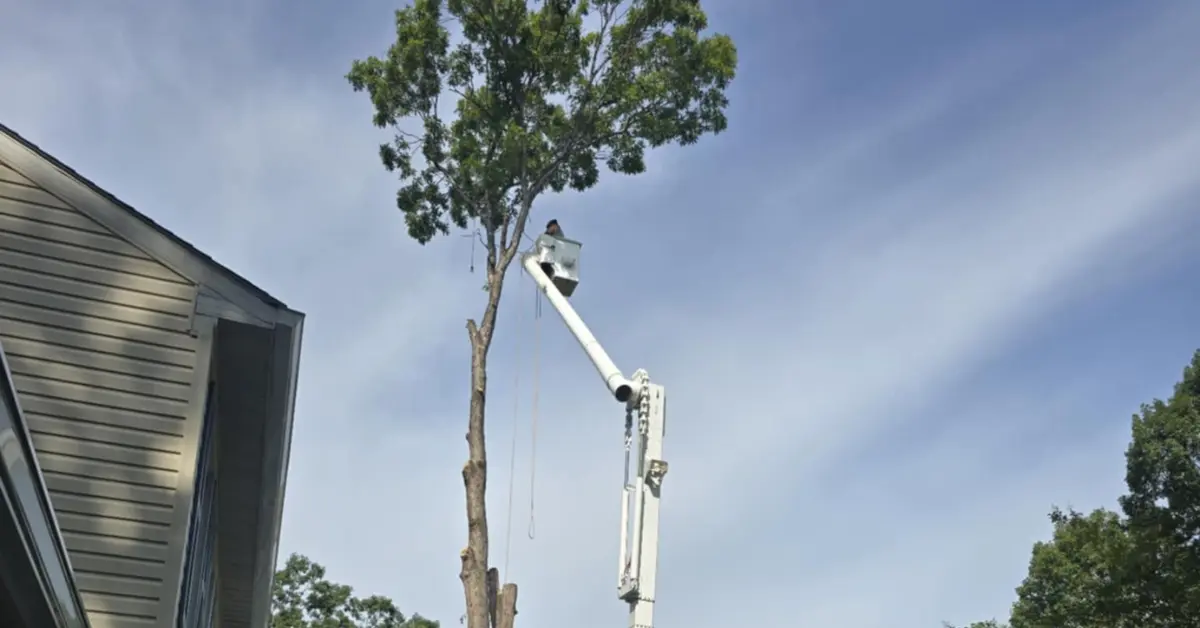
We use correct pruning cuts that support natural wound closure. Our crews use professional climbing systems, aerial lifts, and controlled rigging when necessary to prevent property damage.
4. Complete Cleanup and Guidance
All debris is removed. We provide guidance on recommended pruning cycles and what to monitor going forward.
Structural Pruning for Young and Mature Trees
Many properties across this region have:
- Trees planted too close to homes
- Overextended limbs above roofs or driveways
- Trees that were topped years ago
- Dense canopies with poor weight distribution
Structural pruning helps:
- Reduce limb failure risk
- Improve canopy balance
- Prevent roof and structure interference
- Extend the lifespan of valuable trees
Residential and Commercial Tree Pruning
We provide pruning services for:
- Residential properties
- Rural estates and farms
- HOAs and managed communities
- Commercial properties and office landscapes
Each property receives a pruning plan based on tree condition, surrounding structures, and long-term management goals.
How Pruning Fits Into a Long-Term Tree Care Plan
Pruning is often one part of a broader strategy.
In some cases, pruning resolves structural concerns. In other cases, additional services such as clearance trimming, removal of non-recoverable trees, or post-storm stabilization may be recommended.
We explain the difference clearly so decisions are based on safety and long-term performance, not unnecessary work.
Areas We Serve
Premier Tree & Landscaping provides tree pruning services throughout Northern Virginia and the Northern Neck of Virginia.
We regularly work in:
Fauquier County Madison County Greene County Orange County Rappahannock County Prince William County Stafford County Spotsylvania County King George County
Cities and communities include Warrenton, Bealeton, Brandy Station, Jeffersonton, Rixeyville, Amissville, Broad Run, Casanova, Midland, The Plains, Upperville, Nokesville, Haymarket, Gainesville, Castleton, Sperryville, Flint Hill, Washington, and Woodville.
Frequently Asked Questions
How is pruning different from trimming?
Pruning focuses on structural correction and long-term tree health. Trimming focuses on clearance and immediate safety.
How often should trees be pruned?
Young trees may need pruning every one to two years. Mature trees are commonly pruned every three to five years depending on species and condition.
When is the best time of year for pruning?
Late fall through early spring is often ideal. Safety-related or corrective pruning can be done when needed.
Will pruning damage my tree?
When done properly, pruning improves structure and longevity. Improper or excessive cutting causes stress and decay, which is why professional evaluation matters.
Schedule a Tree Pruning Evaluation
If your trees show signs of structural imbalance, overextended limbs, or long-term health concerns, professional pruning can correct issues before they become hazards.
Premier Tree & Landscaping provides expert tree pruning services across Northern Virginia and the Northern Neck of Virginia.